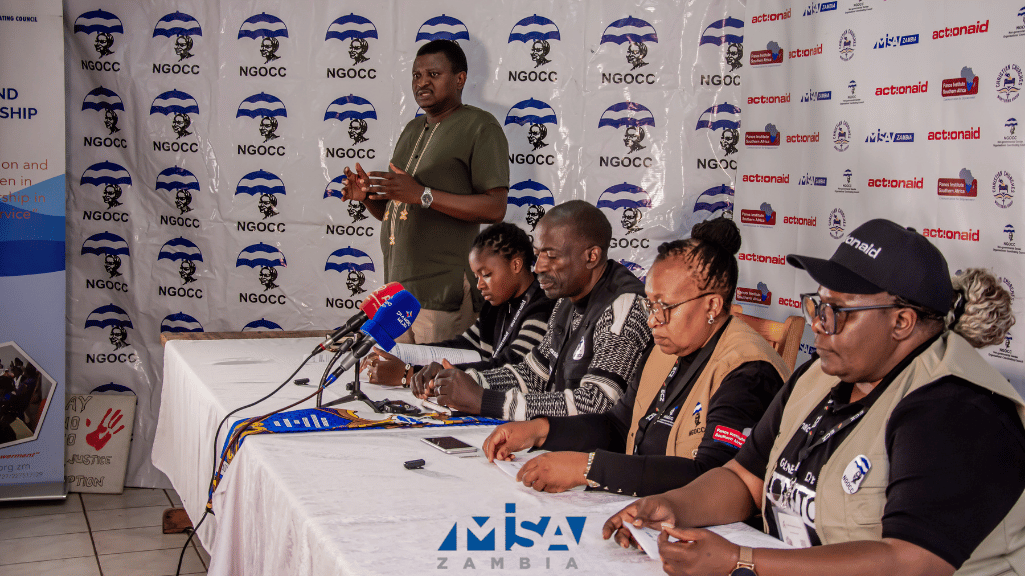
SECOND PRESS STATEMENT BY THE ZIKO LATHU CONSORTIUM AND THE GLOBAL PLATFORM NETWORK AS ZAMBIA VOTES – DELIVERED ON 13TH AUGUST 2026, AT THE GLOBAL PLATFORM
Good afternoon distinguished colleagues of the press, ladies and gentlemen, Welcome to the second media briefing by the Ziko lathu Consortium, where we present our updated preliminary assessment of the 13th of August 2026 General Elections. The Ziko Lathu Consortium, comprising five local civil society organisations namely; ActionAid Zambia, Panos Institute Southern Africa (PSAf), the Non-governmental Gender Organisations Coordinating Council (NGOCC), Media Institute of Southern Africa (MISA) Zambia and Young Women in Action.
As at 16:00 hours, the Ziko Lathu consortium has processed, received and analyzed over 100 incidents reports and over 1,200 checklist submissions which provide detailed context on pertinent poll day incidents.
POLLING STATION ISSUES AND INCIDENT NOTES
1. Opening Delays and Polling Station Changes
In Kasama, Ndoloka polling station reportedly opened late at 12:15 hrs while a delayed opening at a polling station in Ngombe contributed to a stampede, during which a woman was injured and rushed to hospital unconscious. Further, an elderly woman was also reportedly injured and taken to hospital. The relocation of polling stations to alternative sites, reportedly because the original venues were too small, caused confusion, with similar incidents recorded in two areas where some voters were reportedly injured. This was similarly reported in Kafue West Constituency where a polling station has been moved to another location. While we recognize the efforts by the commission to secure alternative, safer and accessible venues, we are of the view that such changes may have a negative impact on the fairness process of the process. Late opening of polling stations effectively disenfranchises voters by limiting their opportunity to exercise their right to vote.
2. Accessibility to Vulnerable Groups
We also noted the lack adequate facilities for vulnerable groups such as the Persons with Disabilities and the elderly. This was specifically observed at Ngombe PTA Polling station, in Roma Constituency.
3. Materials and Process Challenges
Selected polling stations experienced shortages of materials, including ink, which led to temporary stoppages in the voting process and caused voter frustration. Several incidents were reported where ballots were stamped on the front instead of the back; this reportedly occurred at least three times and raised suspicion among voters. In selected polling stations, voting booths were unavailable, requiring voters to use tables, which affected voter secrecy.
4. Voter Secrecy and Access to Voting
There were reports of inadequate voter secrecy, including voters being observed while marking their ballots. In another incident, five voter cards were reportedly confiscated from a voter suspected party cadres, and the affected voter was not allowed to vote. Polling staff were also reportedly seen giving priority to people they recognized, which led to complaints and obstruction at the polling station.
5. Campaigning, Misinformation, and Security Concerns
Campaigning was reportedly taking place at polling stations by prominent candidates and party representatives. Misinformation about the movement of pre-marked ballot papers reportedly contributed to violence. Media personnel were reportedly harassed by suspected UPND members, who interfered with their work, while a female police officer reportedly faced intimidation from suspected party cadres.
6. Harassment of Media
We are deeply concerned by reports of the harassment of female journalists covering the electoral process. At Maramba Polling Station, a Zambezi FM journalist was allegedly subjected to two separate incidents of mistreatment, including being roughed up by police officers and having footage deleted while carrying out professional duties. Additionally, it is deeply regrettable that a ZANIS journalist was reportedly assaulted by party cadres in Olympia.
We strongly condemn violence against women in election (VAWE) in the strongest of terms.
Such incidents are unacceptable and undermine the important role that media institutions play in informing the public, promoting transparency, and strengthening accountability. Journalists serve as a vital link between events on the ground and the citizens they inform, and their safety and independence must be respected at all times.
7. Harassment of female Police Officer
We have sadly observed a number of incidents involving the harassment of Zambia Police Service officers. This is deeply concerning, as police officers play a vital role in maintaining law and order, protecting citizens, and ensuring public safety. Respect for law enforcement is essential in fostering a peaceful and orderly society.
8. Incidents of Violence
We have noted with concern reports of violence in some parts of the country during the electoral process. For instance, in Makululu Compound in Kabwe, there were reports of polling staff and voters being subjected to stone-throwing incidents. Such acts of violence are unacceptable, as they threaten the safety of citizens, disrupt the voting process, and undermine the peaceful and democratic conduct of elections. We call on all stakeholders to exercise restraint and allow the electoral process to proceed without intimidation, violence, or interference
We have also noted with serious concern the presence and conduct of suspected party cadres at some polling stations. In particular, reports indicate that party cadres were effectively manning a polling station, a role that falls outside their mandate and undermines the integrity of the electoral process. Such actions have the potential to intimidate voters, create confusion, and erode public confidence in the credibility of the elections. If left unchecked, this behaviour risks fostering lawlessness and could become a recipe for anarchy. We therefore call on the relevant authorities to take immediate action to ensure that polling stations remain under the control of duly authorised election officials and security personnel, in accordance with the law.
9. Presence of the Military
While we appreciate the need to maintain security and prevent any potential unrest during the electoral process, we are concerned by reports of the presence of Zambia Army officers at Celeste Primary School Polling Station in Masaiti-Mbala. The primary responsibility for maintaining law and order during elections rests with the Zambia Police Service, and the deployment of military personnel at polling stations may create anxiety among voters and stakeholders. Their presence risks escalating tensions and could undermine public confidence in the peaceful and civilian nature of the electoral process. We therefore urge the relevant authorities to ensure that election security arrangements are proportionate, transparent, and consistent with established legal mandates.
A CALL TO ACTION
1. We urge the Electoral Commission of Zambia to promptly address reported operational challenges, including polling station changes, opening delays, material shortages, and concerns relating to voter secrecy, to safeguard the credibility and integrity of the electoral process.
2. We therefore call on all stakeholders, including law enforcement agencies, political actors, and members of the public, to uphold and protect media freedom and ensure that journalists are able to carry out their duties freely, safely, and without harassment, intimidation, or interference.
3. We call on the Police to maintain professionalism, ensure the safety of all participants in the electoral process, and take swift action against any acts of violence, intimidation, harassment, or public disorder.
4. We appeal to all political actors to exercise restraint, respect the law, and refrain from actions that may intimidate voters, journalists, election officials, or fellow citizens.
5. We call for the protection of media freedom and the safety of journalists, election observers, and law enforcement officers, ensuring they can carry out their duties without harassment, intimidation, or interference.
6. We encourage all Zambians to remain peaceful, reject misinformation and violence, and contribute to a transparent, credible, and democratic electoral process.
CONCLUSION
Since this morning and continuing into the afternoon, we remain concerned about the apparent lack of preparedness in certain aspects of the electoral process and the impact this may have on citizens’ ability to exercise their constitutional right to vote. Delays, logistical challenges, and operational shortcomings have caused understandable frustration among voters. Nevertheless, we remain hopeful that affected citizens will remain patient, resolute, and committed to participating in the democratic process despite these setbacks. We urge the relevant authorities to act swiftly to address these challenges and ensure that every eligible voter is afforded a fair and meaningful opportunity to cast their ballot.
I THANK YOU.
On behalf of the consortium;
1. Action Aid Zambia
2. MISA Zambia:
3. NGOCC
4. Panos Institute Southern Africa
5. Young Women in Action